State-Specific Funding Shifts Altering Roulette Access Patterns Among Mobile Users in Expanding US Markets
Written by Viktor Krause · Oct 22, 2026
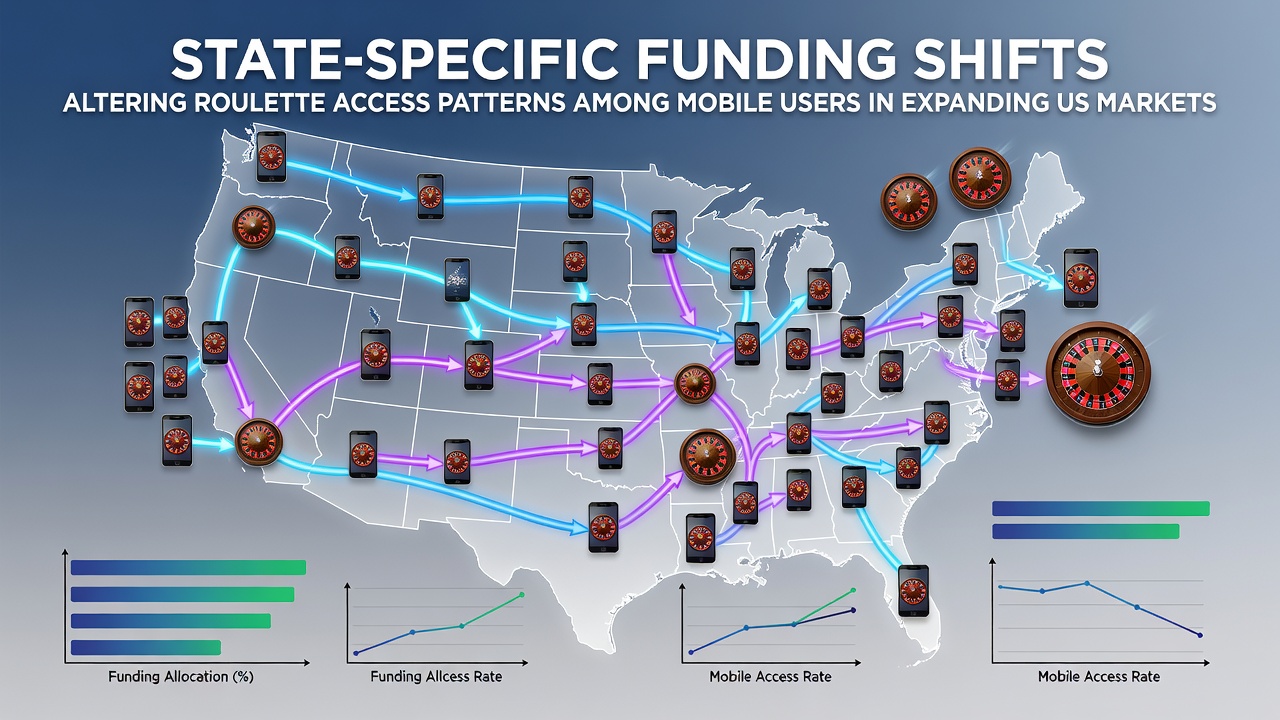
State-Specific Funding Shifts Altering Roulette Access Patterns Among Mobile Users in Expanding US Markets
State legislatures across expanding US markets have redirected portions of gaming tax revenues toward regulatory infrastructure and consumer protection programs, which in turn influences how mobile roulette platforms receive approvals and maintain operational access for users. These reallocations vary by jurisdiction, with some states prioritizing digital oversight tools while others channel funds into broader enforcement networks that affect app-based table game availability.
Funding Mechanisms and Regulatory Adjustments
Data from multiple state gaming agencies shows that budget adjustments in 2025 and into 2026 have altered licensing timelines for mobile roulette operators, particularly in jurisdictions where online gaming revenues support dedicated technology upgrades. For instance, states allocating increased shares to real-time monitoring systems report faster integration of roulette variants into approved mobile applications, whereas those emphasizing general fund contributions experience slower review cycles. Observers note that these patterns emerge most clearly in markets entering their second or third year of mobile expansion, where initial startup allocations give way to sustained operational funding.
Researchers tracking user session data across permitted regions find corresponding shifts in access frequency, with mobile roulette participation rising in states that tie funding to streamlined compliance pathways. One study revealed that smartphone users in such environments complete more frequent but shorter sessions, while access in states with heavier administrative overhead tends toward consolidated play periods. This distinction appears tied directly to how quickly new game certifications reach consumer devices after funding decisions take effect.
Patterns in Key Expanding Markets
Michigan and Pennsylvania provide clear illustrations of divergent approaches. Michigan's gaming control board has directed portions of mobile gaming fees toward app certification acceleration, resulting in broader roulette title availability on approved platforms by mid-2026. Pennsylvania, by contrast, has emphasized statewide enforcement staffing through similar revenue streams, which lengthens the interval between operator submissions and public rollout for certain live-dealer roulette options. Those who have studied these differences point to measurable variations in average daily active users per device, with the former state showing steadier growth curves.
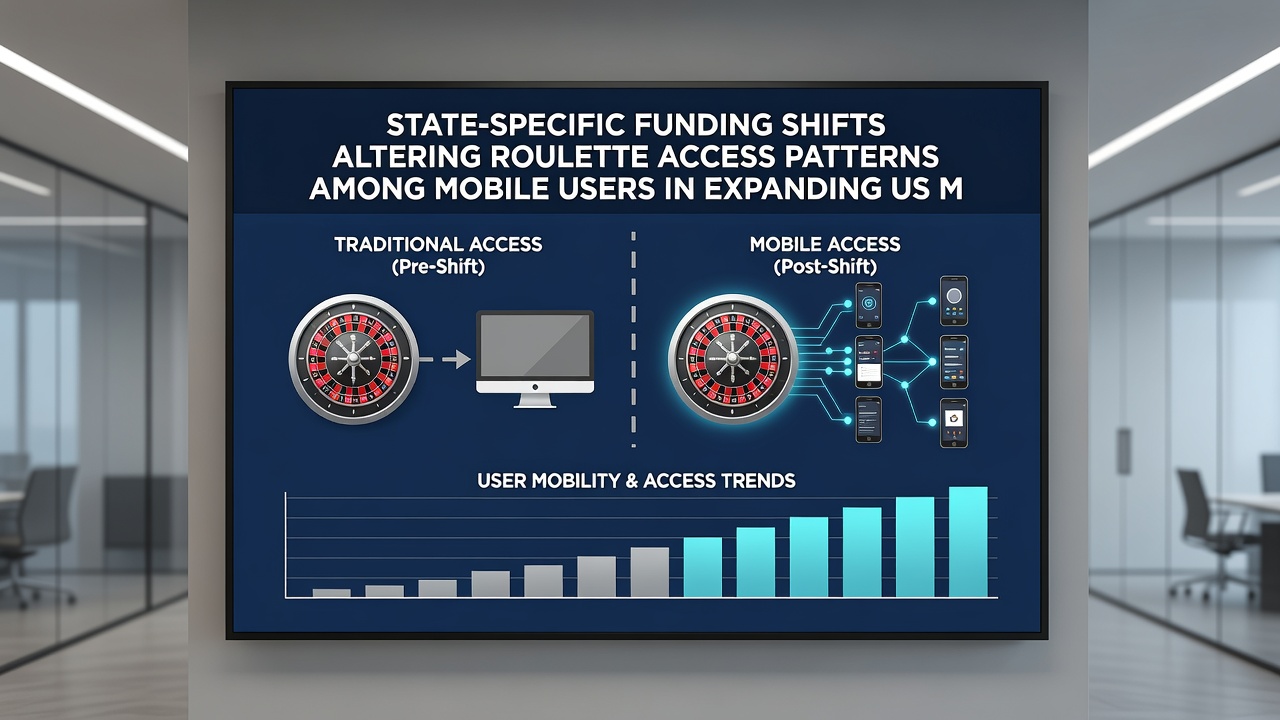
Additional states entering the mobile market landscape, including New York and Massachusetts, have adopted hybrid models where funding supports both technology audits and public education campaigns. Figures released by the American Gaming Association indicate that these dual-purpose allocations correlate with steadier retention rates among mobile roulette users compared to single-focus strategies. The October 2026 implementation window for several of these revised budgets is expected to produce further differentiation, as operators adjust rollout schedules in response to updated resource commitments.
User Behavior and Platform Responses
Mobile roulette access patterns also reflect how funding decisions shape payment processor integrations and geolocation requirements. States investing in advanced verification infrastructure report higher completion rates for initial deposits and withdrawals within roulette sessions, while those directing resources elsewhere encounter more frequent interruptions tied to compliance checks. Industry reports document that operators respond by prioritizing jurisdictions where these technical supports reduce friction, thereby concentrating certain game variants in specific regions.
Evidence suggests that screen-size preferences among users interact with these funding outcomes as well. Larger-device sessions dominate in markets with robust mobile infrastructure funding, whereas compact-phone usage persists more strongly where regulatory resources remain limited. Such variations emerge without direct intervention from operators, arising instead from the pace at which certified roulette content reaches different device categories.
Outlook Through Late 2026
Additional legislative sessions scheduled before October 2026 are projected to refine these funding streams further, particularly as states evaluate revenue performance from the prior fiscal year. Adjustments may include targeted grants for mobile security enhancements or reallocation away from programs showing limited impact on user access metrics. Regulatory bodies in multiple jurisdictions continue to publish quarterly summaries that track these changes, providing operators and analysts with data on how state-level decisions translate into platform-level availability.
Conclusion
State-specific funding shifts continue to reshape mobile roulette access by determining the speed and scope of regulatory approvals, technical integrations, and enforcement priorities across expanding US markets. The resulting patterns demonstrate clear regional distinctions in session length, device preference, and game variant availability, all driven by how legislatures direct gaming-derived resources. As October 2026 approaches, ongoing budget cycles will likely extend these divergences, offering additional data points for those monitoring mobile gaming ecosystems in permitted jurisdictions.