Regional Policy Tweaks Shape Interface Customizations in Virtual Entertainment Hubs Across Expanding American Territories
Written by Theo Hoffmann · Nov 19, 2026

Regional Policy Tweaks Shape Interface Customizations in Virtual Entertainment Hubs Across Expanding American Territories
State-level adjustments to gaming regulations continue to drive modifications in user interfaces across approved virtual entertainment platforms, particularly in territories where online access has expanded since the mid-2010s, and observers note that these tweaks often require operators to embed specific compliance features directly into app layouts while maintaining seamless navigation for users in jurisdictions such as New Jersey, Pennsylvania, and Michigan.
Data from industry tracking shows that operators must integrate geo-location verification tools, responsible gaming prompts, and payment method restrictions into every session, and these elements appear as mandatory overlays or side panels that adjust based on the user's registered state rather than remaining uniform across all markets.
Policy Adjustments in Key Jurisdictions
Legislative updates in emerging markets frequently target age verification protocols and session time limits, which forces developers to customize dashboard elements so that users encounter state-specific timers or identity checks upon login, and this pattern holds true in states that legalized mobile access more recently compared to early adopters like Delaware.
Research indicates that when one territory revises its deposit cap rules, platforms respond by altering transaction screens to display updated limits automatically, and users in neighboring states see different default options without needing to switch applications entirely.
Interface Elements Affected by Regulatory Shifts
Customization extends to visual cues such as color-coded risk warnings and personalized game filters that reflect local content restrictions, while experts point out that these changes occur because regulators require clear separation between skill-based games and chance-based offerings on the same screen layout.
Payment integration rules also vary, prompting operators to swap out certain digital wallet options in specific regions and replace them with approved alternatives that appear in the checkout flow, and this adjustment happens dynamically based on detected location data collected at the start of each session.
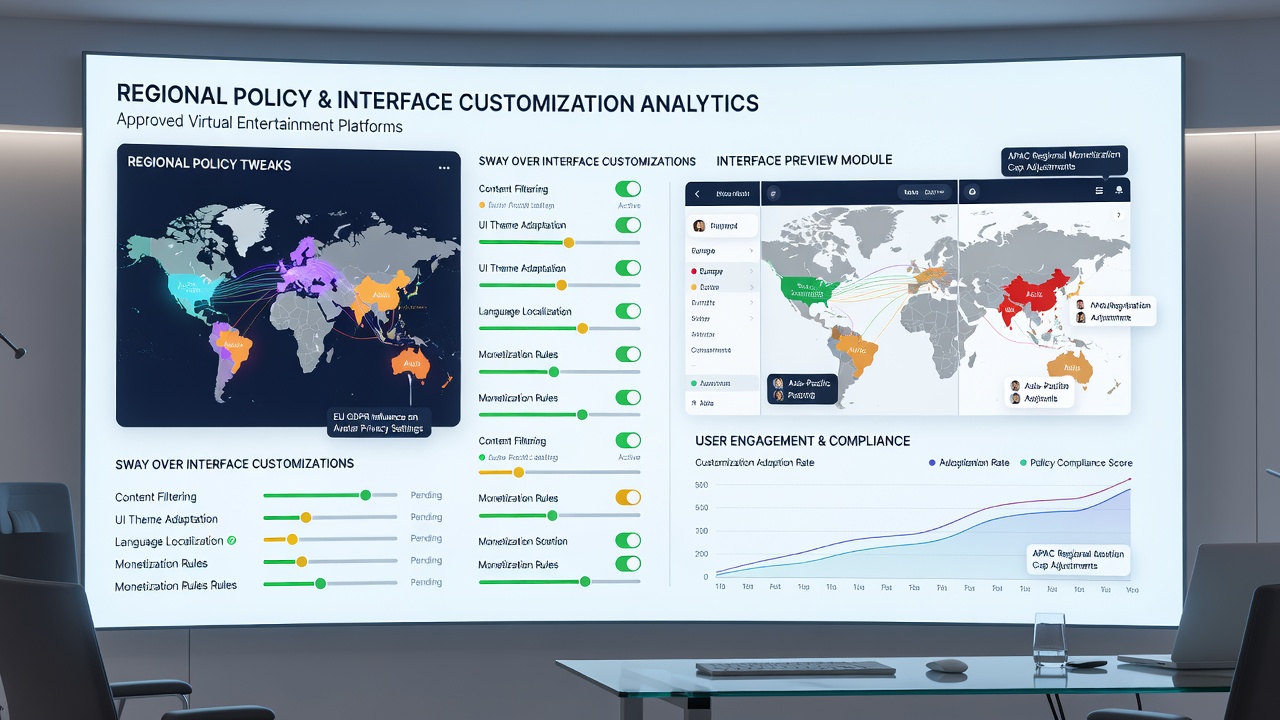
November 2026 marks the scheduled implementation date for enhanced transparency requirements in several expanding territories, and those mandates will likely require additional confirmation dialogs before users access high-volatility titles, which means interface designers are already preparing modular code blocks that can activate without full app redesigns.
Impact on User Navigation and Accessibility
Studies from academic sources reveal that frequent policy-driven updates lead to variations in menu structures across state lines, so a player moving between approved regions experiences altered pathways to the same game library, and operators address this through backend configurations rather than separate applications for each market.
Accessibility features such as adjustable text sizes and audio cues sometimes receive state-mandated tweaks to accommodate local consumer protection standards, and these modifications appear in settings menus that expand or contract depending on the regulatory environment detected by the platform.
According to the American Gaming Association, consistent interface adaptations help maintain compliance without disrupting overall engagement metrics across compliant platforms, and similar observations appear in reports from the Responsible Gambling Council based in Canada that examine cross-border digital trends.
Technical Implementation Across Platforms
Developers rely on modular programming frameworks that allow quick swaps of regulatory modules, and this approach enables a single codebase to serve multiple territories while displaying customized banners, verification steps, and game availability lists tailored to each location's current rules.
Observers note that when territories introduce new tax reporting thresholds, transaction history pages gain additional summary sections that calculate and display state-specific obligations automatically, and these additions integrate into existing account dashboards without requiring users to navigate separate portals.
Conclusion
Regional policy adjustments continue to influence how virtual entertainment interfaces evolve in growing American territories, with operators responding through targeted customizations that align with local requirements while preserving core functionality for users, and ongoing developments through 2026 suggest further refinements in verification flows and display elements will follow similar patterns of localized adaptation.