Charting Wallet Integration Patterns That Steer Live Dealer Session Lengths Across Sanctioned Mobile Platforms
Written by Theo Hoffmann · Oct 8, 2026
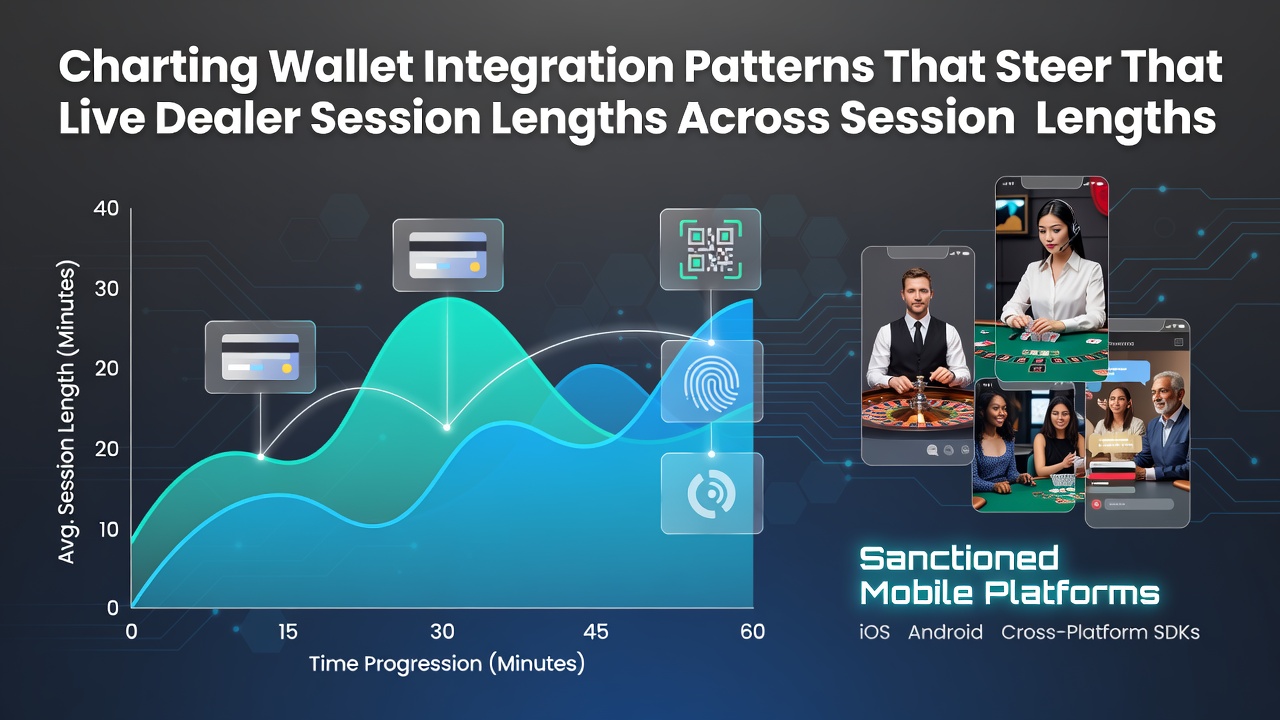
Charting Wallet Integration Patterns That Steer Live Dealer Session Lengths Across Sanctioned Mobile Platforms
Data from sanctioned mobile platforms in October 2026 shows that wallet integration patterns directly influence how long users remain connected to live dealer sessions, with seamless payment flows correlating to extended play periods in states like New Jersey and Pennsylvania. Researchers tracking these patterns note that platforms incorporating instant deposit and withdrawal options through digital wallets often see users stay active for longer stretches compared to those relying on traditional banking transfers. According to figures from the New Jersey Division of Gaming Enforcement, average session durations in live blackjack and roulette environments increased when e-wallet options reduced transaction times below thirty seconds.
Mapping Payment Friction Points in Live Dealer Environments
Observers in the industry track how each integration layer affects user behavior on mobile devices, since live dealer games require continuous connectivity and quick decisions. Platforms that embed Apple Pay or Google Pay at the account setup stage report fewer interruptions during dealer rotations, allowing sessions to stretch beyond the typical twenty-minute mark. In contrast, those requiring multiple verification steps after each deposit see users exit earlier, often within the first ten minutes of a baccarat table opening. Studies compiled by research groups in Australia highlight similar trends where integrated wallets cut drop-off rates by linking directly to existing device authentication systems.
Regional Variations Across Sanctioned Jurisdictions
Patterns differ by state regulations and platform partnerships, with Michigan and West Virginia showing distinct session length distributions tied to specific wallet providers. Data indicates that users in these markets favor crypto-linked wallets for faster cross-border elements, even when playing within domestic live dealer lobbies, which extends engagement during peak evening hours. Those who've examined transaction logs find that platforms offering multiple wallet choices maintain higher retention through the first hour of play, whereas single-option setups lead to quicker exits once initial funds run low.
One analysis from Canadian gaming authorities revealed that mobile users accessing live dealer tables via integrated e-wallets completed an average of four additional hands per session when deposit confirmations arrived instantly. This pattern holds across roulette wheels and blackjack tables where timing matters, since delays prompt users to switch apps or close sessions entirely. Platforms in emerging markets continue testing hybrid models that combine traditional cards with digital wallets to balance security requirements with speed demands.
Technical Integration Methods and Their Measurable Effects
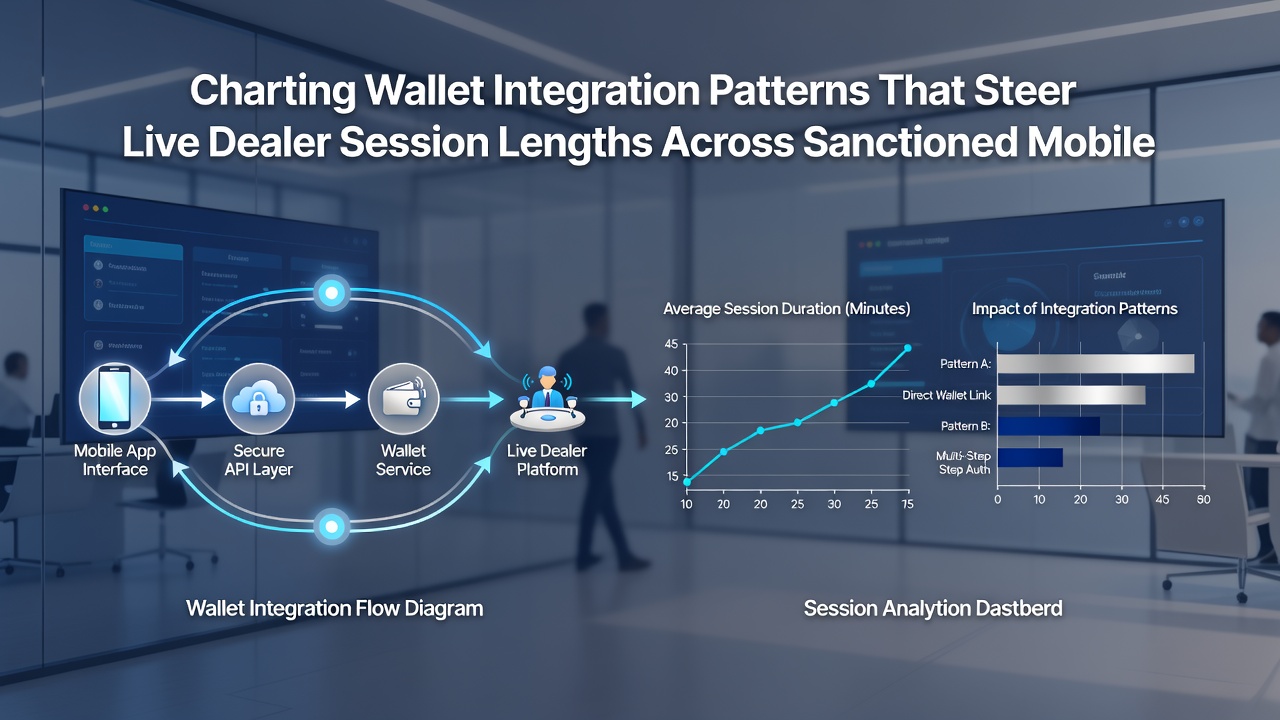
Developers implement wallet connections through APIs that sync with live dealer streaming servers, ensuring that balance updates appear without reloading game interfaces. When these connections function smoothly, session lengths extend because users spend less time navigating away to handle funding separately. Reports from European trade organizations note that standardized protocols for instant verification help maintain momentum in games like sic bo and dragon tiger, where quick re-buys keep tables populated. Platforms that skip redundant security prompts after the initial setup see users return to the same dealer more frequently throughout a single login period.
What's notable is how biometric authentication tied to wallet apps further reduces friction on sanctioned mobile platforms, leading to documented increases in total hands played per visit. Researchers comparing pre- and post-integration data across multiple operators found that session extensions averaged fifteen to twenty minutes when fingerprint or facial recognition replaced manual PIN entries. This holds true in environments where live dealers interact directly with players through chat functions, since uninterrupted flow encourages continued participation.
Future Tracking of Wallet-Driven Session Dynamics
Industry groups continue monitoring how emerging wallet technologies, including those using blockchain elements, reshape access patterns in live dealer settings as new jurisdictions come online. Data collected through October 2026 suggests that cross-platform compatibility between mobile wallets and casino apps will remain a key variable in determining average session durations. Observers note that operators updating their systems to support newer wallet standards often record steadier engagement metrics across blackjack, roulette, and poker variants streamed to smartphones.
Conclusion
Wallet integration patterns provide measurable indicators for session length trends in sanctioned mobile live dealer environments, with faster transaction pathways consistently linked to prolonged user activity. Figures from multiple regulatory sources confirm that platforms prioritizing seamless connections maintain higher engagement levels across different game types and regional markets. Continued analysis of these patterns will likely guide future platform designs as mobile access expands in additional permitted areas.